
Fashion, Mens Lifestyle
Men’s Winter Boots: Choose the Right Pair for UK Weather
Oct
For everyday UK wear, choose men’s winter boots with waterproof construction, a warm lining and a secure, comfortable fit. This guide explains which features earn their keep in rain, cold and occasional snow—and when hiking boots or smarter Chelsea boots make more sense.
The short version:
- Choose boots for your usual route, not an imaginary Arctic expedition.
- Waterproofing and insulation do different jobs. Check both.
- Comfortable fit matters more than an impressive-looking sole.
- “Anti-slip” does not mean ice-proof.
- Everyday winter boots are not a substitute for specialist mountain or protective work footwear.
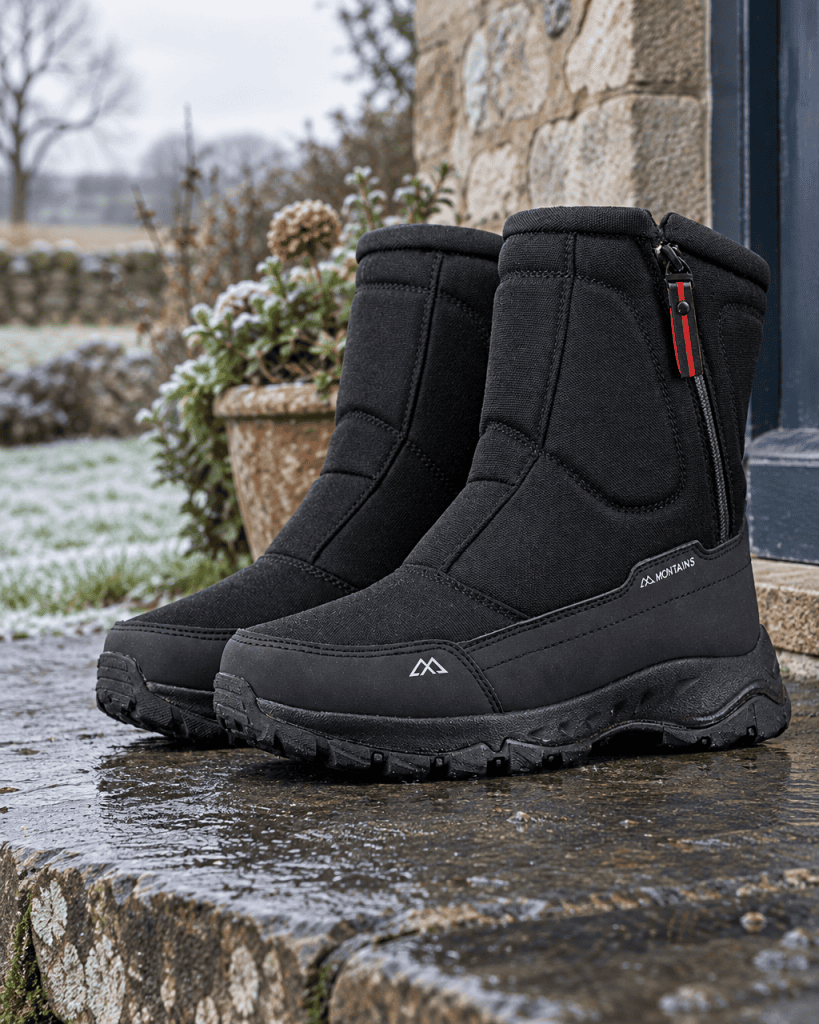
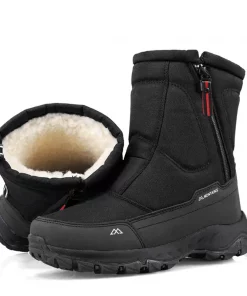
Grizzly Adam’s Men’s Waterproof Winter Snow Boots combine a waterproof upper, faux-wool lining, an insulated inner shell and a cushioned insole. But choosing the right pair starts with your day, not the longest list of claims on a product page.
Why the right winter boots matter
Wet socks can ruin a perfectly ordinary day. So can boots that rub your heels on the school run or feel like portable saunas once you reach the office. The aim is comfortable feet, not footwear that looks ready to conquer a glacier while you queue for a coffee.
Winter footwear has to balance protection, warmth and movement. Lined snow boots and flexible walking boots solve different problems, even if both carry the word waterproof.
Buy for the conditions you regularly face, then check the limits before asking your boots to do anything more demanding.
Choose men’s winter boots for your actual day
For commuting and everyday errands
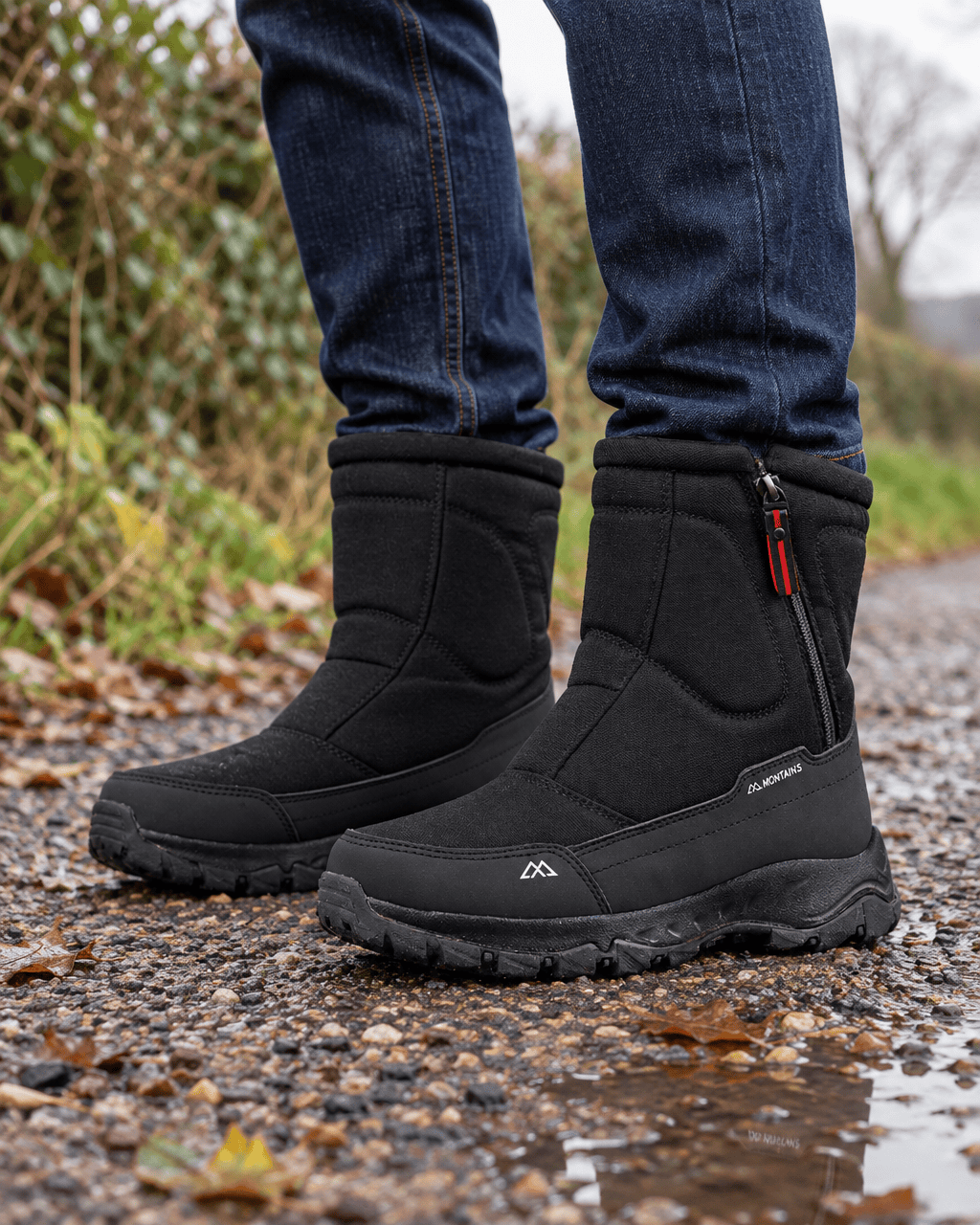
If your route is mostly pavements, stations and shops, prioritise comfortable walking, wet-weather protection and a fit that works with your usual socks.
Think about what happens after the journey, too. Heavy insulation is less appealing when you spend the rest of the day indoors. A pair that feels brilliant at the bus stop still needs to make sense when you arrive.
Look for visible tread rather than choosing on appearance alone. Also check how easily the boots fit beneath your trousers. Bulky snow boots are practical in cold weather, but they do not automatically suit every office outfit.
For dog walks and muddy paths
Country paths add mud, wet grass and uneven ground to the mix. Walking boots with a secure fit and soles suited to the terrain deserve serious consideration.
Warmth still matters, but so does keeping your feet comfortably held as the ground changes beneath them. Check the upper, sole and fastening rather than treating height as a shortcut for suitability. Tall boots can still fit poorly.
Remember that waterproof footwear cannot stop water entering through its opening. Step into water above the collar and you have found the limit the hard way.
For outdoor jobs and time spent standing around
If you spend more time standing than striding, make insulation a higher priority. Look for cushioning underfoot and a lining that feels comfortable without squeezing your toes.
Try the boots with the socks you will actually wear outside. Thick socks stuffed into already snug footwear are not an upgrade.
There is an important boundary here: winter boots are not automatically safety boots. If your job requires protective footwear, choose according to the required certification and your employer’s rules. A rugged appearance does not establish toe protection, puncture resistance or workplace suitability.
For winter trails and mountain routes
A straightforward low-level walk and a frozen mountain route are not the same outing. Snow, steep ground and ice introduce equipment decisions that everyday winter boots cannot settle.
The British Mountaineering Council’s guidance on walking boots, crampons and micro-spikes explains that footwear and traction equipment must be compatible. It also warns that micro-spikes have limitations in serious terrain.
Get specialist advice for the route and conditions. A warm lining does not make casual boots suitable for winter mountaineering.
What matters most when buying winter boots?
Waterproof construction: keep rain out
Waterproofing deals with water; insulation deals with warmth. They are separate features, and one does not prove the other.
A water-resistant upper is not the same claim as waterproof construction. Read the description for information about the upper, membrane or other waterproof system. If the details are missing, ask before buying for prolonged wet-weather use.
Pay attention to openings and seams, too. Waterproof footwear is not permission to wade through deep water. Choose for the conditions the manufacturer actually specifies rather than inventing a tougher job for it.
For ordinary wet-weather wear, clear product information is more useful than vague promises about beating the elements.
Warm lining: match warmth to your activity
Warm lining makes sense for cold days, but the thickest-looking boots are not automatically the right ones. Walking briskly, waiting outside and sitting in a heated workplace are different experiences.
Check what the lining is made from and whether insulation is listed separately. Faux-wool, fleece and synthetic linings describe materials. They are not interchangeable temperature guarantees.
Without a stated, supported temperature rating, there is no reliable minimum temperature to quote.
Start with your usual outing. If you regularly move between outdoors and warm rooms, consider that trade-off before choosing heavily insulated footwear.
Grip: look past the chunky sole
A rubber sole is useful information, but the material alone does not tell you how boots perform on every surface. Tread shape, wear and the ground underfoot all matter.
REI’s hiking-footwear guide, updated in May 2026, explains that different tread patterns suit different terrain. Widely spaced tread helps shed mud, while wet, smooth surfaces bring different demands.
That is why a dramatic-looking sole should not be your only buying test. Look at the actual construction and intended use.
Treat “anti-slip” as a feature description, not a promise that you cannot fall. Take particular care on frozen ground. Appropriate traction equipment—or a safer route—matters more than a reassuring phrase on a listing.
Comfortable fit: protection is useless if the boots hurt
Your boots should hold your feet without pinching across the forefoot or pressing on your toes. Heel movement, rubbing seams and pressure over the top of your feet deserve attention before a long walk.
REI’s fitting advice recommends footwear that feels snug without tight spots and leaves room to wiggle your toes. Apply that principle to winter boots, especially when wearing thicker socks.
Pain is not evidence that the boots are reassuringly supportive. It is a reason to reassess the fit.
Winter boots vs hiking boots vs Chelsea boots
Use this comparison to narrow the style, then judge the individual pair. These are categories, not guarantees: some hiking boots are insulated, and some Chelsea boots have winter-specific construction.
| Footwear type | Best for | Main benefit | Main limitation |
|---|---|---|---|
| Insulated winter or snow boots | Cold everyday outings and time spent outdoors | Warm lining and weather protection when specified | Warmth-focused construction does not establish technical hiking suitability |
| Waterproof hiking boots | Walks on varied ground in wet conditions | Walking-focused fit and terrain-appropriate construction | Waterproofing does not mean the boots are insulated |
| Winter-ready Chelsea boots | Everyday outfits and urban journeys | A cleaner shape for smarter casual clothing | Waterproofing, insulation and tread vary between models |
Choose insulated winter boots when cold-weather comfort is the main job. Choose hiking boots when the route makes walking performance the priority.
Choose winter-ready Chelsea boots when you want a smarter everyday shape, but check the practical features rather than relying on the style name. A sleek pair with smooth soles and no stated weather protection is a different proposition from a winter-specific design.
If your usual outing is a wet country walk rather than a snowy one, Grizzly Adam’s Unisex Waterproof Hiking Shoes offer a separate walking-focused option.
Their listed features include a genuine leather upper, EVA insole and rubber outsole. The description does not establish the same cold-weather insulation as the winter snow boots.
Where Grizzly Adam’s winter snow boots fit
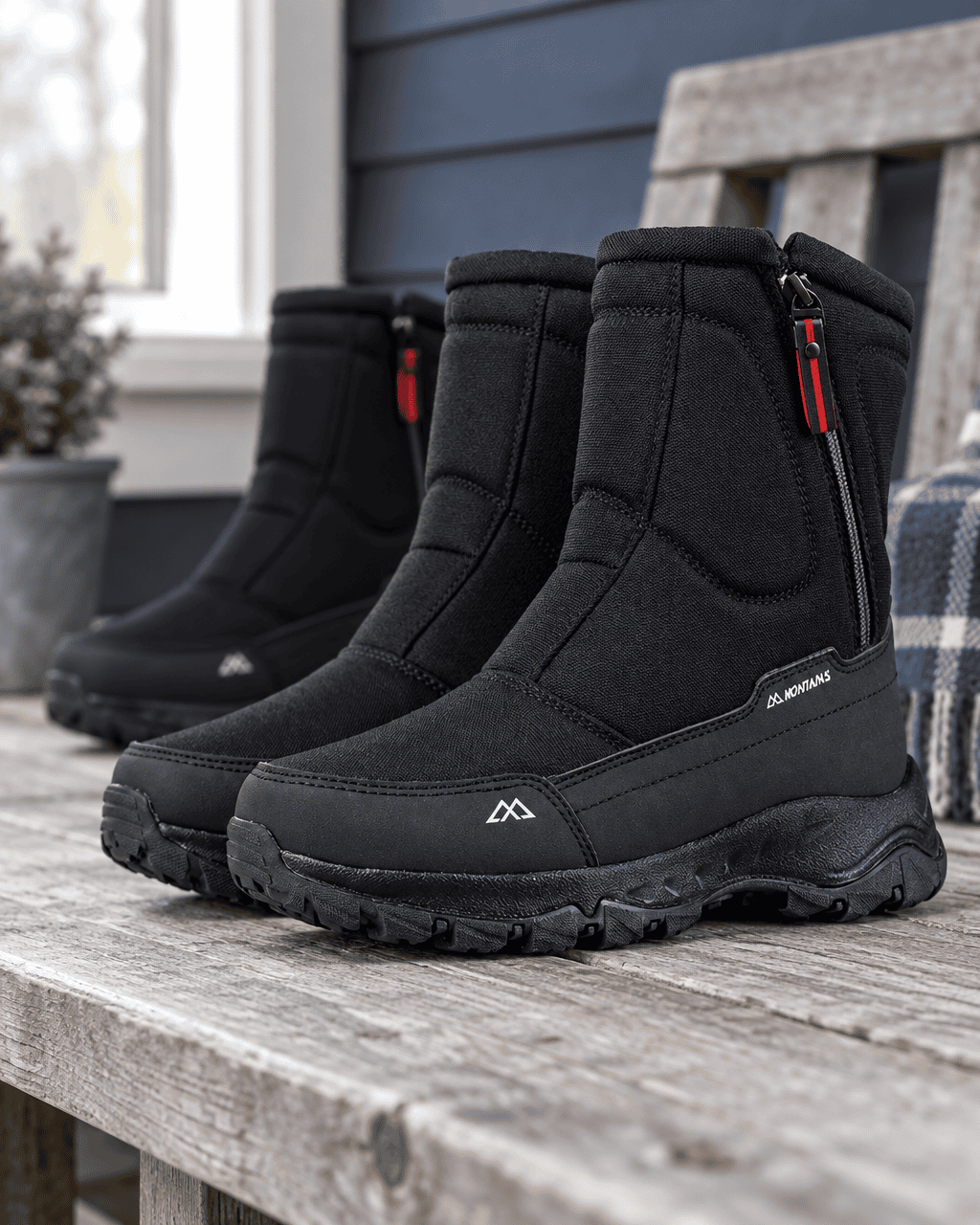
Based on the product description checked in October 2026, Grizzly Adam’s winter snow boots are aimed at everyday cold-weather wear.
The listed features include:
- A waterproof upper.
- Thick faux-wool lining and an insulated inner shell.
- A mid-calf design.
- A rubber outsole described as anti-slip.
- A cushioned plush insole.
Best for: men looking for lined, weather-protective footwear for everyday winter outings, provided the fit is comfortable.
The useful combination is straightforward: an upper intended to keep wet weather out, insulation for cold conditions and cushioning underfoot. You do not need to dress like a mountain rescue volunteer to want those things on an ordinary winter morning.
There are limits to what the listing establishes. It does not provide a verified minimum temperature, boot weight, named waterproof membrane or technical winter-mountaineering rating. It also does not establish crampon compatibility or workplace safety certification.
Those omissions do not erase the everyday features. They do mean you should not assume these boots replace specialist mountain or protective work footwear.
This guide uses published specifications. It does not claim the boots have been independently field-tested for every condition.
Get the fit right before heading out
Try them with your winter socks
Use the socks you expect to wear, not whichever thin pair happens to be nearest. Sock thickness changes the space inside the boots.
A pair that feels fine with everyday socks can feel crowded when you add thicker walking socks. For active walks, choose socks intended to manage moisture.
REI recommends matching sock thickness to the footwear and notes that synthetic socks dry faster than cotton. Do not keep adding layers if the result is cramped toes.
Check both feet and move around
Try both boots towards the end of the day, when your feet have had time to swell through normal activity.
Fasten them properly and walk around indoors on a clean surface, following the retailer’s try-on and returns conditions. Standing still gives you only part of the picture.
Check that:
- Your toes can move without pressing against the end.
- The forefoot is held without being squeezed.
- Your heels do not repeatedly rub or lift excessively.
- Seams and fastenings do not create pressure points.
- Your feet do not slide forward when you step down.
If you use orthotics, check that they work with the footwear before heading out. They change the available space and therefore the fit.
Do not buy the wrong fit and hope
Some footwear needs a break-in period. That is not a fix for the wrong length or width.
If your toes hit the front or the sides pinch immediately, reconsider the size or model. Buying bigger is not automatically the answer either: excess movement creates its own problems.
REI suggests checking toe room against a removable insole when the footwear allows it. Otherwise, use the maker’s sizing guidance and assess comfort directly. Do not force parts out simply to copy a fitting trick.
Keep your winter boots ready for tomorrow
A little care beats leaving muddy footwear by the door until the next emergency departure.
Follow the boots’ own care instructions first. Leather, suede and synthetic uppers need different treatments, and a product suitable for one material is not automatically suitable for another.
As a general routine:
- Brush away mud and grit using a tool suitable for the material.
- Clean with the recommended product rather than a harsh improvised cleaner.
- Open fastenings to allow airflow.
- Remove insoles for drying only if they are designed to come out.
- Air-dry away from direct heat.
- Store the boots only when dry.
Outside’s hiking-boot maintenance guidance advises avoiding direct heat, which can damage leather and synthetic materials. Putting wet boots against a radiator is not a clever shortcut.
Check the soles occasionally, too. Worn tread, damaged fastenings and separated components deserve attention before a winter outing.
A favourite pair does not stay fit for the job simply because it has become familiar.
Frequently asked questions
What are the best men’s winter boots for UK weather?
The right men’s winter boots match your usual route and combine suitable weather protection with comfortable fit. For cold everyday outings, check waterproof construction, insulation and tread. For demanding trails, choose footwear appropriate to the terrain.
Are waterproof boots also warm?
Waterproof boots are not automatically warm. Waterproofing keeps external water out, while warmth depends on insulation, lining, socks, fit and how you use the footwear.
Are snow boots suitable for everyday wear?
Snow boots can suit everyday cold-weather wear if they fit comfortably and match your journey. Consider how much time you spend indoors, because heavily lined footwear is not always the most comfortable all-day choice.
Are hiking boots warm enough for winter?
Hiking boots are not automatically insulated for winter. Check the individual model’s lining and intended use. Demanding snowy or frozen routes require specialist footwear decisions.
Will anti-slip winter boots stop me slipping on ice?
An anti-slip description does not guarantee safe footing on ice. Treat frozen surfaces cautiously and choose suitable traction equipment or a safer route. Mountain conditions require specialist advice.
Should I buy winter boots a size bigger?
Do not automatically buy winter boots a size bigger. Follow the model’s sizing guidance and try them with your intended socks, checking toe room, heel hold and pressure across the foot.
What are the warmest boots for men?
Choose insulated boots designed for your conditions and activity. A thick-looking lining alone does not establish a temperature rating, and extra warmth is not useful if the fit squeezes your feet.
How should I dry wet winter boots?
Air-dry winter boots away from direct heat, following the manufacturer’s instructions. Open fastenings for airflow and remove insoles only when they are designed to be removable.
One last thing
Picture your most ordinary cold-weather day—not the adventure you might take once. Your winter boots should suit the walk, the weather and the clothes you actually wear.
Warm lining is useful. So is a sensible sole. Neither makes up for boots that do not fit.
Get that part right and the rest of winter becomes a lot less of a faff.
Related reading and winter gear
- Why polarised sunglasses suit driving, fishing and hiking
- Browse Grizzly Adam’s winter clothing and footwear


RIGHT NOW, we are offering all our new customers 20% OFF your first order, Our FREE 32 page beard guide full of helpful info + A Beard Oil for just a penny. GET ALL THE DETAILS IN YOUR INBOX BELOW:
